CURE Program
Swenson Course-Based Undergraduate Research Experience
The Swenson CURE Program supports faculty in developing and implementing Course-Based Undergraduate Research Experiences that integrate authentic inquiry into regular coursework. Join a collaborative community of colleagues and receive the funding, time, and support you need to make course-based research sustainable and meaningful for your students.
What Is Course-Based Undergraduate Research?
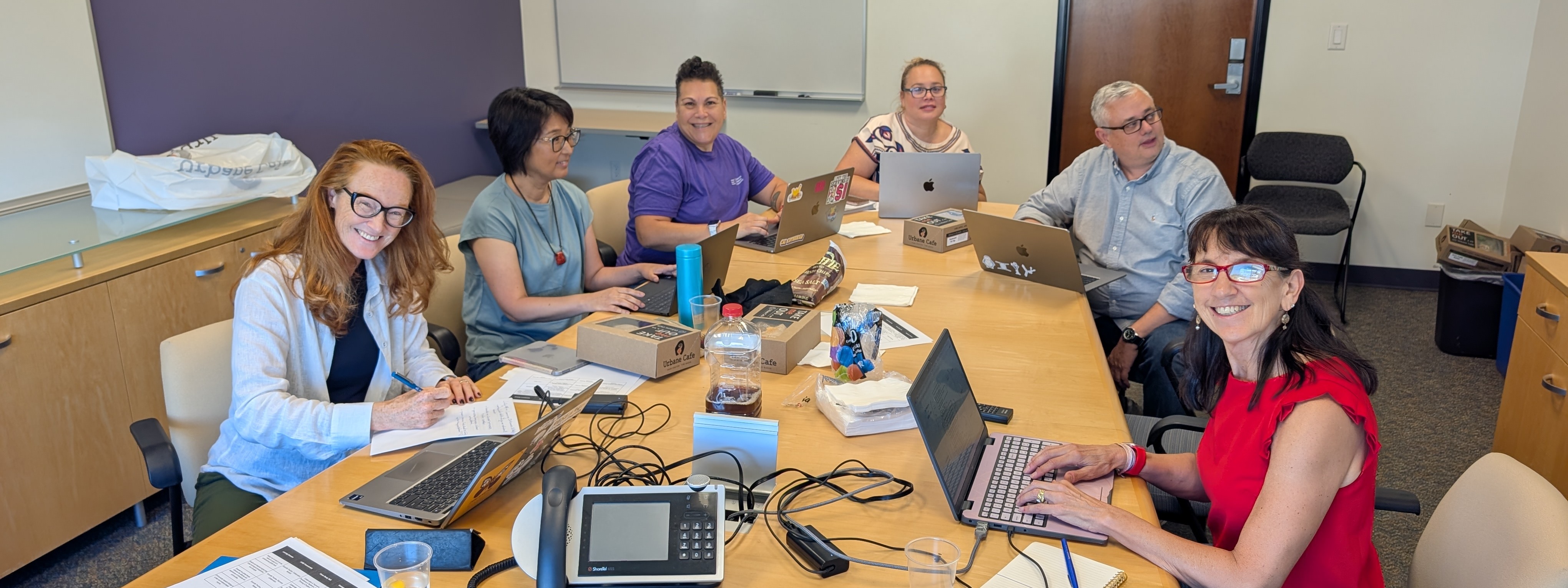
Course-Based Undergraduate Research Experiences (CUREs) bring authentic inquiry into regular courses. With a CURE, an entire class of students can investigate open questions (ones whose answers aren’t known in advance), using the methods of a discipline, with the goal of learning how research is done. Unlike traditional research fellowships or assistantships, CUREs can reach a broader range of students and are particularly valuable for those balancing work or caregiving responsibilities who can’t devote out-of-class time to research opportunities.
CUREs typically include five key elements:
- Scientific or scholarly practices: Students ask questions, design methods, collect and analyze data, and communicate their findings to peers and the campus community.
- Discovery: Students investigate questions whose answers are not known in advance, to the students or the instructor.
- Broadly relevant work: Projects address questions that matter to them, the discipline, a community, or a real-world problem, rather than exercises with predetermined results (e.g. worksheets).
- Collaboration: Students work together toward shared questions and goals.
- Iteration: Students revise their work, troubleshoot, and refine their approaches as the project progresses.
Important: Course projects shared solely within the class or at the Festival of Scholars can typically follow the IRB process for classroom projects. However, projects involving human participants that are intended for presentation or publication beyond campus, such as with external community partners, at external conferences or in journals, require IRB review before data collection begins.
Why Participate?
What You'll Receive
Faculty Learning Circle (FLC) Participation
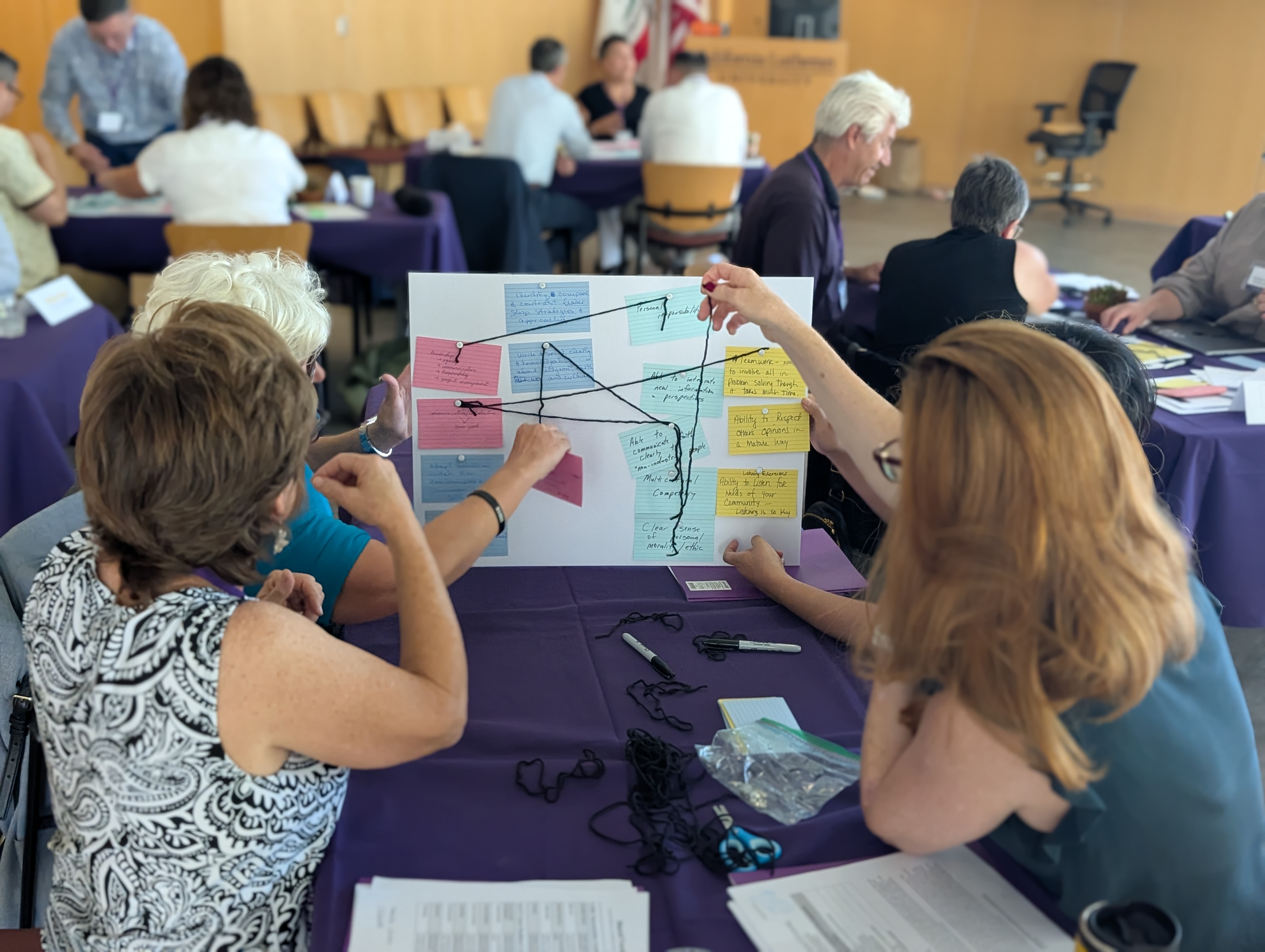
Join 6-8 colleagues from across disciplines in a semester-long learning community. Meet bi-weekly during Spring 2027, followed by two full-day summer workshops to finalize your course design.
$5,000 Total Faculty Stipend
- $2,500 upon completion of initial deliverables
- $2,500 after teaching the first iteration of your CURE course and submitting evaluation materials
Up to $1,200 in Materials Funding
Cover the increased costs of hands-on, experiential learning including lab materials, disposables, software licenses, small equipment, fieldwork expenses, and research site access.
Poster Printing Support
Your students can present their research at Cal Lutheran's Festival of Scholars with funded poster printing (approximately $45 per poster).
Access to Equipment Funding
Departments can apply for one-time equipment purchases over $5,000 to support course-based research (must demonstrate 75% use in CURE courses).
Professional Development & Networking
- Connections to national CURE networks (CUREnet, Genomics Education Partnership, Small World Initiative)
- Guest speakers from industry and other institutions
- Access to current research and best practices
- Collaborative course design support
What You'll Develop
Through the Faculty Learning Circle, you'll create:
- A discipline-specific 3-4 pg literature review on CURE design and impact
- Clear student learning outcomes that reflect core CURE characteristics
- A long-term implementation and sustainability plan with assessment strategies
- Contributions to a shared repository of materials and tools for future cohorts
- A finalized course syllabus ready for implementation
Who Should Apply?
We welcome faculty from all disciplines who are:
- Interested in integrating research into their undergraduate courses
- Committed to expanding research access to more students
- Ready to collaborate with colleagues across campus
- Willing to engage with research on effective CURE design
- Able to commit to bi-weekly meetings in Spring and summer workshops
Whether you're already experimenting with course-based research or entirely new to this approach, we encourage you to apply.
Program Timeline
Now - December 2026: Applications Open for Second Cohort
Applications are being accepted for the first Faculty Learning Circle cohort. We're looking for 6-8 faculty members from diverse disciplines who are interested in developing or enhancing a CURE.
Spring 2027: Faculty Learning Circle Meets
Bi-weekly meetings throughout the semester. Develop your CURE curriculum, engage with research literature, connect with national networks, and collaborate with colleagues.
Summer 2027: Intensive Workshops
Two full-day workshops to finalize course planning and prepare for implementation.
Fall 2027 and Spring 2028: Course Implementation
Teach your CURE course with ongoing support and access to materials funding.
How to Apply
Applications for the first cohort are being accepted now through December 15, 2026.
The application includes:
- A brief description of the course you plan to develop as a CURE
- Your experience with or interest in course-based research
- Department Chair/Program Director approval
Questions?
Contact Andrea Sell, Ph.D., Assistant Provost for Research
Email: Research@CalLutheran.edu
Phone: 805-493-3781
Office: 207 Swenson Social Science
Thank You to Our Generous Donors
This program is made possible through generous funding from the Swenson Family Foundation. It builds on Cal Lutheran's successful tradition of undergraduate research while creating a more inclusive, scalable model that reaches students earlier and more equitably. The program is modeled on the successful SAIL program at the University of Minnesota Duluth and grounded in published research on effective CURE implementation.